Could Your Packaging Data Be Hiding Lost Profit?
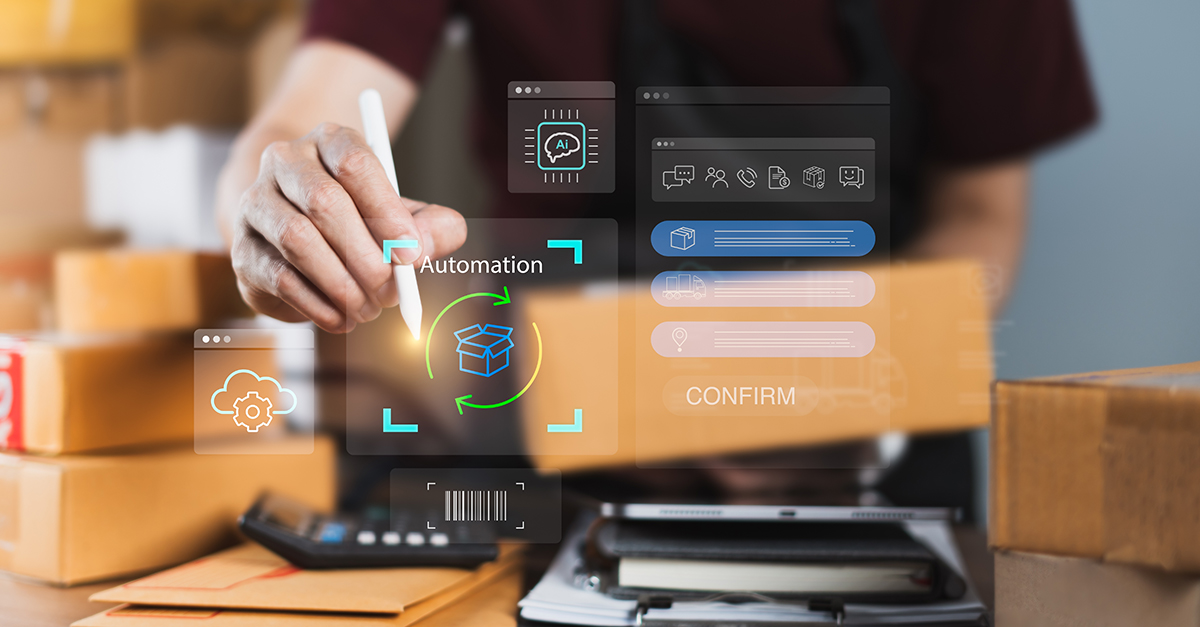
More businesses are not just changing packaging for the obvious cost savings. Freight costs have risen across the world, and many businesses have in turn raised their prices to keep up. However, some are looking to regain that profit margin not just by increasing their prices, but by improving efficiency in their packaging costs.
When we speak with companies across retail, furniture, kitchens and bathrooms, manufacturing and print, we can start by looking at the packaging data they already have. Before suggesting a packaging solution, it helps to understand where packaging costs are impacting profits and which parts of the process could need help.
What should packaging data reveal?
Good packaging data, like any other data should help businesses identify patterns, whether good or bad. Packaging is no different, yet it isn’t often scrutinised as much as other variables across large businesses.
Businesses should look at:
- Which packaging formats are being used most often
- Damage rates linked to particular products or packaging formats
- Which formats are rarely used but still need to be stocked
- How much filler is being used
- Returns due to transit damage
- Freight cost by parcel size
- Packaging stock levels and frequency of replenishment
- Products that regularly require manual adjustments during packing
Why Businesses Are Choosing Right Size Packaging
Once businesses understand what their packaging data is showing them, the next question is whether the existing process can realistically be improved.
If data shows that teams are regularly working around unsuitable box sizes, holding packaging formats that are rarely used or simply overfilling boxes, Right Size gives businesses an option to reduce the costs associated with these issues.
Rather than continuing to add more packaging options, Right Size can produce boxes around the dimensions of the product being packed.